Kansas City Hail Damage: What Homeowners Should Do After Tuesday Night’s Storm
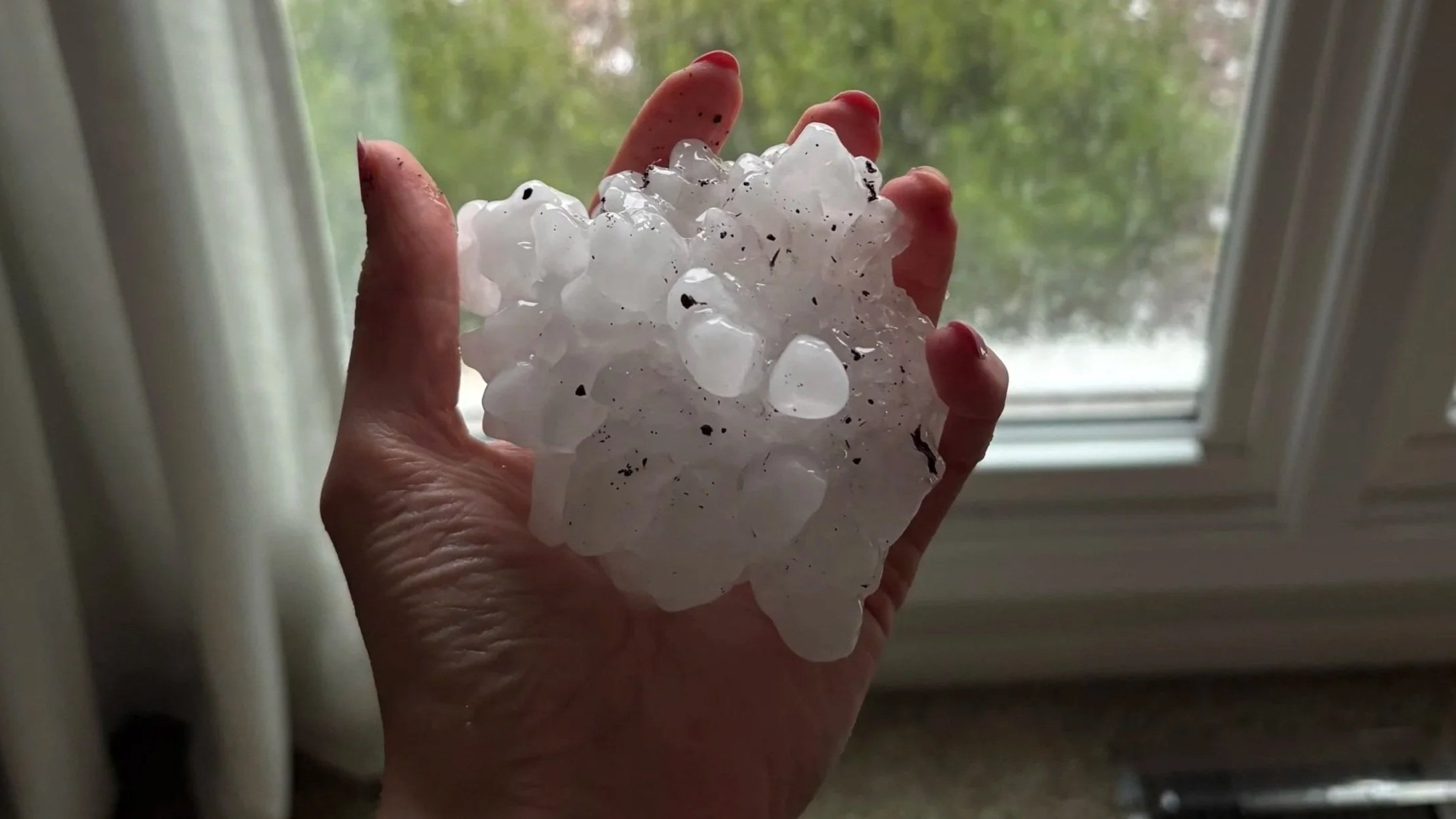
If you wake up one morning to dented gutters, shredded trees, or the sound of chainsaws, you aren’t alone. The recent storm in Kansas City was a big one, dropping hail up to 4 inches in diameter across the Northland, Weatherby Lake, and Parkville.
Before you pick up the phone to call your insurance company, there are a few things you need to know to protect your property value – and your wallet.
How Severe Was the Hail?
According to storm reports from the region:
Up to 4-inch hail was reported in parts of Platte County
3.25-inch hail was reported near Parkville
1.5-inch hail was seen in Liberty
Quarter-size to golf-ball-size hail fell across multiple areas of the metro
Recently, severe thunderstorms moved northeast across the area with wind gusts up to 60 mph and large hail capable of damaging roofs, siding, windows and vehicles.
Even if hail didn’t seem large where you live (ours wasn’t as big, surprisingly), damage can still occur from smaller stones combined with strong winds.
What Homeowners Should Do After a Hailstorm
If you suspect damage from the storm, avoid rushing into decisions. Here are several important steps homeowners should take.
1. Have a Roofer Inspect Your Roof First
If you believe your roof may have been damaged, contact a reputable local roofer before calling your insurance company.
Experienced roofing professionals can:
Identify legitimate storm damage
Document the condition of your roof
Help determine whether an insurance claim is necessary
This can prevent unnecessary claims or confusion during the insurance process.
2. Document Any Damage You See
Take photos and videos of anything that may indicate hail damage, including:
Dents in gutters
Damage to flashing
Broken siding
Damaged outdoor equipment
Roof debris or visible impacts
Having clear documentation immediately after the storm can be extremely helpful if repairs or claims are needed later.
Additionally, consider your ground-level damage checklist aka signs from the ground.
Check your AC unit fins for dents
Look for “splatter marks” (clean spots) on fences or decks
Check window screens for small tears
3. Be Careful With Door-to-Door Contractors
After major storms, it’s common for out-of-town roofing companies to canvass neighborhoods.
While some are legitimate, others may be looking to take advantage of homeowners in stressful situations.
A safer approach:
Work with established contractors
Verify licensing and insurance
Ask for references and written estimates
Consider reaching out to your local Planning and Zoning Department for a list of licensed professionals for your area
4. The “Hidden Risk” of Insurance Inquiries
Many homeowners don’t realize that simply calling your agent to “ask about damage” can be a mistake.
Insurance companies often record these inquiries as “fossil claims” or $0 claims on your home’s permanent record (the CLUE report), even if you never actually file or get a payout. This can lead to premium hikes or trouble switching providers later.
The Smart Play: Get a trusted roofer to confirm “significant, claimable damage” first
If the damage is less than your deductible, pay out of pocket and keep your insurance record clean.
Only involve the insurance company once you have a professional’s documentation in hand.
Understand whether repairs or replacement are truly necessary.
5. Don’t Wait Too Long to Schedule Repairs
Storm damage often affects thousands of homes across the metro at once, which means roofing companies and contractors can quickly become booked.
If damage is confirmed, getting on a contractor’s schedule early can help prevent:
Long repair delays
Further water damage
Insurance complications later
Remember: Even If You Don’t See Damage, an Inspection May Still Help
Hail damage is not always obvious from the ground.
If you plan to sell your home in the next few years, having an expert roof inspection can:
Document the roof’s condition
Identify minor issues early
Prevent surprises during a future home inspection
Storm Damage and the Kansas City Real Estate Market
The most recent storm is a reminder of how quickly conditions can change in Kansas City and the Midwest.
If you’re planning to sell your home in the next year or two, don’t ignore the roof. Roofs are one of the most common hurdles when closing on homes, as most lenders require them to be repaired or replaced, depending on age and condition. And it can be challenging to secure the insurability of the home.
It is significantly easier (and cheaper) to handle an insurance claim now than it is to try to have a roof replaced during a real estate transaction. Being proactive with documentation today ensures a smooth, top-dollar sale tomorrow.
Need recommendations for trusted local roofers or contractors? Feel free to reach out. I’m always happy to connect homeowners with reputable professionals in the Kansas City area.
Stay safe, Kansas City – and check those roofs!
Frequently Asked Questions After a Kansas City Hailstorm
How do I know if my roof has hail damage?
Common signs of hail damage include dents in gutters, damaged flashing, cracked shingles, missing granules on asphalt shingles, or debris on the roof. However, some damage isn’t visible from the ground, so a professional inspection is often recommended.
Should I call insurance immediately after hail damage?
No. I recommend a local, trusted roofer to inspect any damage. Many roofing professionals recommend having a trusted local roofer inspect the roof first. They can determine whether damage is significant enough to warrant an insurance claim.
Can hail damage affect the sale of my home?
Yes. If hail damage exists and isn’t repaired, it may appear during a buyer’s home inspection, which can delay or complicate a real estate transaction. Having documentation of your roof condition can help avoid surprises during the selling process.
How soon should I repair hail damage?
After large storms, roofing contractors often book weeks or months out. If damage is confirmed, it’s best to schedule repairs as soon as possible to prevent leaks or further deterioration.
Should I trust roofers who knock on my door after storms?
Homeowners should be cautious with contractors who appear immediately after storms. Many reputable roofers will be busy with existing clients. Always verify licensing, insurance and local presence before agreeing to inspections or repairs.
One more thing: If you’re thinking about selling your home in Kansas City, you can also read my guide on navigating both sides of the state line or reach out to me!
— Krystal Schwenker
📱 Call or text anytime: 573-397-2781
krystalschwenker@kw.com
Keller Williams Kansas City North
816-452-4200